David Robert

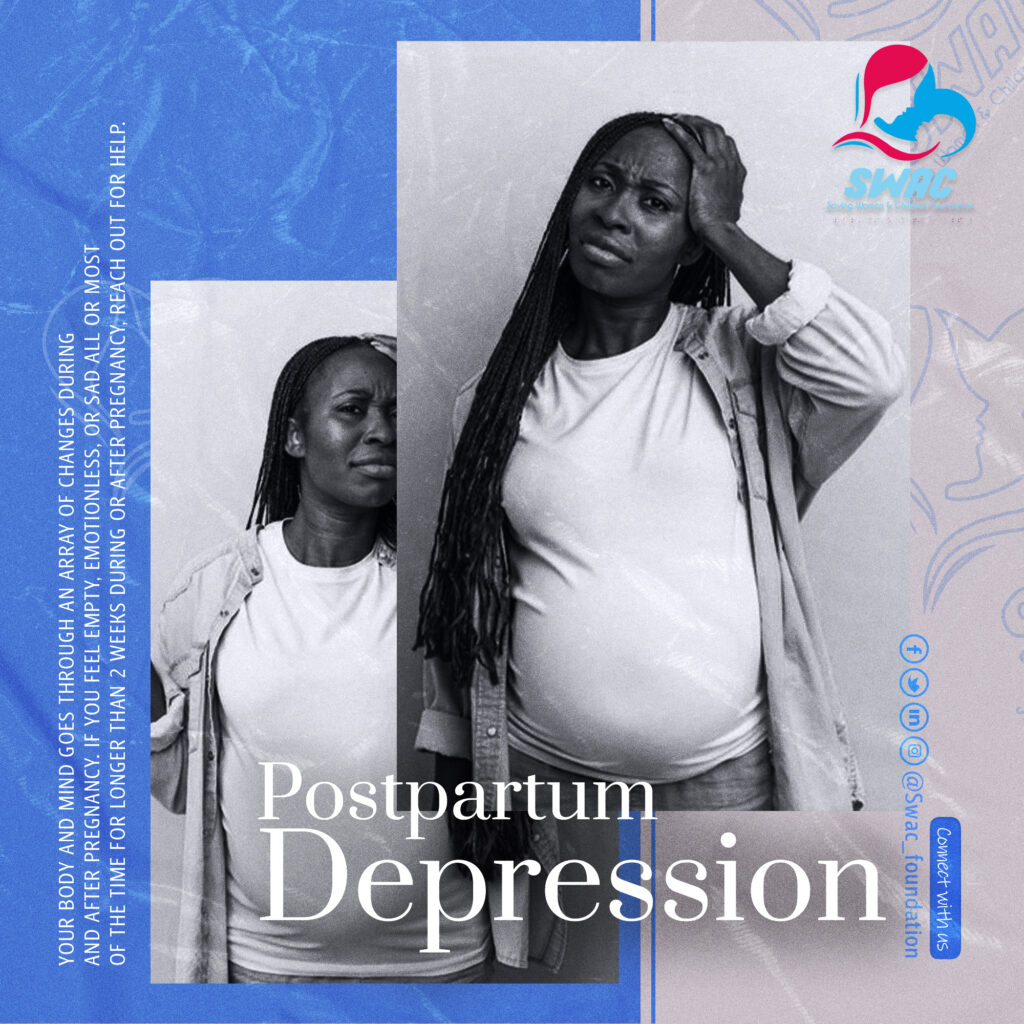
Postpartum Depression

If you feel like you don’t love or care for your baby, you might have postpartum depression. These people are more at risk; 💢Have a personal/family history of depression or bipolar disorder💢Lack of support from family and friends💢 Unmanaged depressed during pregnancy💢Teenage pregnancy💢Alcoholics and illegal drug users💢 Birthing a baby with special needs. You should suspect postpartum depression if you have any of the following symptoms for more than 2 weeks, call your doctor, nurse, or midwife: ♦️Feeling sad♦️hopeless, or overwhelmed♦️Having thoughts of hurting the baby♦️Having thoughts of hurting yourself♦️Not having any interest in the baby♦️Not feeling connected to the baby♦️or feeling as if your baby is someone else’s baby♦️Feeling worthless, guilty, or like a bad mother♦️ Losing interest or pleasure in activities you used to enjoy. Post partum psychosis is a more severe form of post partum depression and regarded as a medical emergency. It’s characterized by seeing or hearing things, restlessness or agitation, Paranoia, and confusion all the time. Treatment options are Therapy, Medications etc. Some women don’t tell anyone about their symptoms. New mothers may feel embarrassed, ashamed, or guilty about feeling depressed when they are supposed to be happy. They may also worry they will be seen as bad mothers. You and your baby don’t have to suffer. There is help. Your doctor can help you figure out whether your symptoms are caused by depression or something else. As we mark World Mental health day let’s endeavor in making Mental health and Well-being a global priority. Follow @swac_foundation Like ❤️, Share, Tag your friends #worldmentalhealthday #mentalhealth #mentalhealthawareness #mentalhealthmatters #maternal #ngosinibadan #swaculated
What Medication SHould I Take During Pregnancy

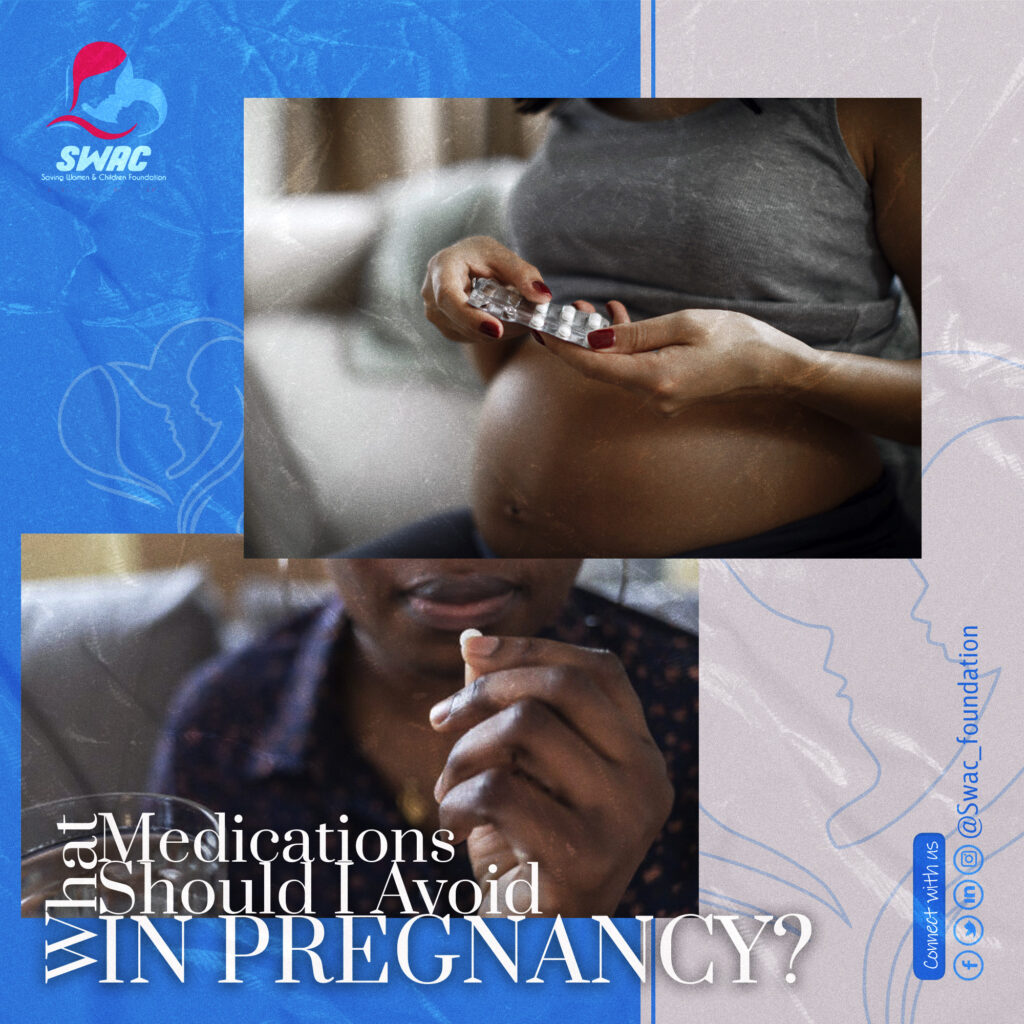
What Medication Should I Avoid In Pregnancy

When deciding whether to take a medicine during pregnancy, it’s important to find out about the possible effects of that medicine on your baby. Most medicines taken during pregnancy cross the placenta and reach the baby. The problem is that scientists can’t ethically perform drug testing on a pregnant woman. So, it is not accurate to say a medication is 100% safe in pregnancy. It usually comes down to weighing the benefits for a mother with a health condition. 🆘We have put together a list of common medicines to avoid during pregnancy 🚫Ciprofloxacin (Cipro) and levofloxacin: These drugs can cause problem with the baby’s muscle and skeletal growth 🚫Codeine: It can lead to withdrawal syndrome in newborns 🚫Ibuprofen: High does of this drug can lead to miscarriage, premature labour, jaundice.. 🚫Sulfa containing drugs: can cause jaundice in newborn 🚫Tetracycline: can cause permanent discoloration of teeth 🚫Chloramphenicol: can cause blood disorder 🚫Primaquine: can damage blood cells in a fetus 🚫Doxycycline : can affect your baby’s tooth and bone 🚫Lisinopril: can affect your baby’s kidneys 🚫Aspirin: can cause birth defect Ensure you check with your doctor before taking any medicine, including painkillers.

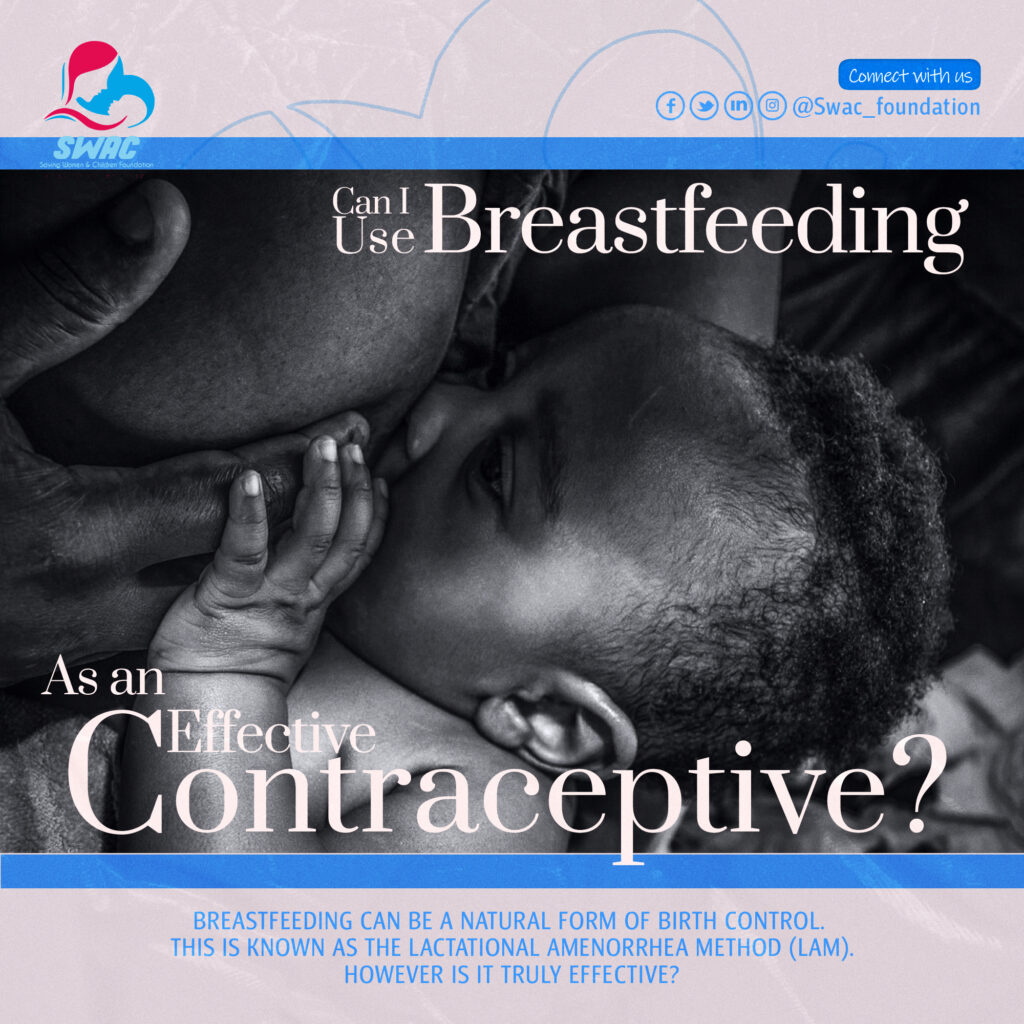
Can I Use Breastfeeding as an Effective Contraceptive

If used properly, breastfeeding can be 98 percent effective at preventing pregnancy within the first six months after the baby’s delivery. However, it’s not as simple as it sounds. LAM requires a very precise method. 👉🏼First, you must have a baby who is less than 6 months old. 👉🏼Second, you must exclusively breastfeed your infant, with feedings at least every four to six hours apart. If you use formula or solid foods in addition to breastfeeding, this method won’t work. 👉🏼Lastly, if you’ve had a period since childbirth, this method is no longer effective. Research shows that only 26 percent of women practicing LAM actually met the criteria for it. If you’re using breastfeeding as a form of birth control, talk with your doctor about a backup method if you’re trying to avoid pregnancy Here are some backup options while breastfeeding; ✅IUD (Intrauterine device) >99% effective ✅POP(Progestin only pill) 87%-99.7% ✅Barrier Method (Condoms; Male & Female, Sponge, Cervical cap, Diaphragm) ✅Implants (Only available Long acting Reversible Contraceptive) ✅Etc NB: Whatever you may have heard, breastfeeding alone cannot be considered a reliable birth control method. It is adviced you contact your OBGYN for the best preferred back up option. Follow @swac_foundation For more tips like this Like ❤️, Share, Tag your friends. #breast #breastfeeding #contraception #contraceptives #maternalhealth #infanthealth

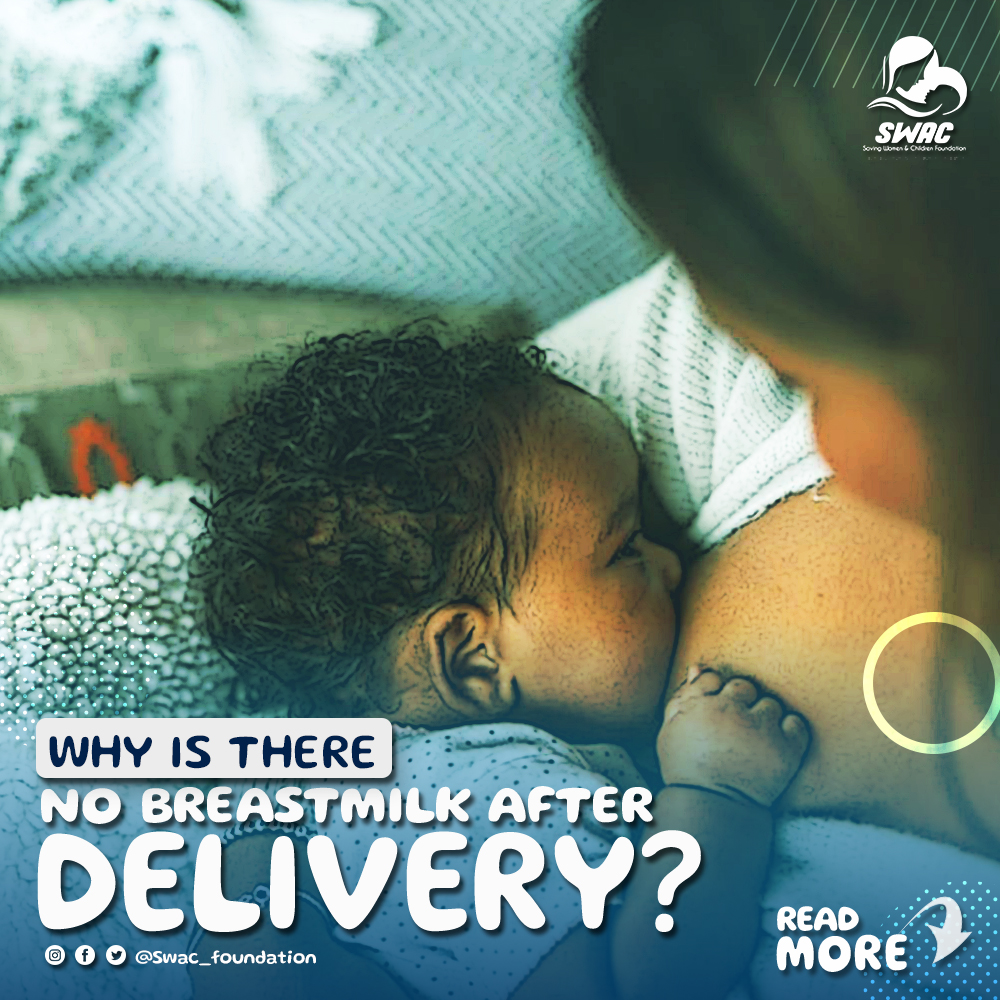
Baby Sulking from Mother's Breast

Why Is There No Breastmilk After Delivery

Delayed onset of lactation’ is the term applied to a condition wherein the breast milk is slow to come in. A delay in the production of breast milk, however, does not mean it will not arrive at all. Under normal circumstances, colostrum is available in the mother’s breast within 40 hours of delivery. Breast milk generally takes two-three days to arrive. In some cases, breast milk may take up to five days to arrive. Here are the underlying causes of little or no breast milk after delivery: 👉🏼Stress, Hormonal Imbalances, lifestyle; A sedentary lifestyle, improper diet, indulgence in alcohol, drugs, habitual smoking, and high caffeine intake can impact the production of breast milk, Taking Certain Medications and Herbs Like birth control medications, Stressful Delivery. Storage Size; The amount of milk produced and stored in a woman’s breast is not related to the size of the breasts themselves, but the amount of milk-producing tissue in them, Administration of too much IV fluids during birth could delay the onset of lactation, Placenta remnants, Painkillers, Certain pain relief medications, if administered during labor, can delay the onset of lactation, Premature Birth, Diabetes, One of the important hormones for breast milk production is insulin, Age: Giving birth at an advanced age. ✅Hand Express Breast Milk, Massage Your Breasts, Increase Skin to Skin Contact: Skin to skin contact, where you hold the baby close to you and let his skin rub against yours, is known to stimulate the production of milk, Avoid taking any medications for any other health issues, without your doctor’s approval, as some are known to decrease or delay the production of breast milk. It is also advisable to be open to formula milk or donor human milk till the onset of lactation. Breastfeeding is part of nature’s beautiful design to create a bond between mother and child. Breast milk not coming in at all is extremely rare and highly unlikely. It is advised to consult doctors and lactation specialists to address the condition.

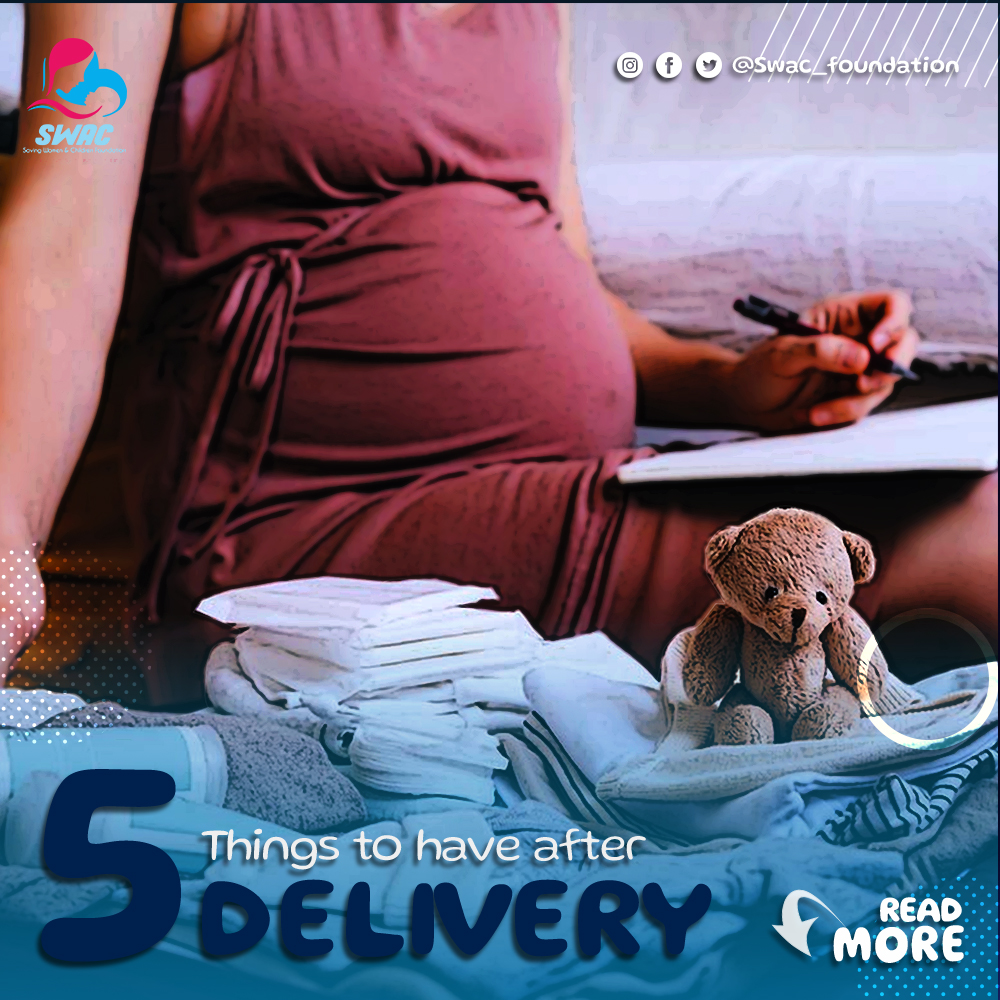
5 Things To Have After Delivery

5 Things To Have After Delivery

Expecting mothers tend to spend so much time preparing for their babies and forget to prepare for themselves, the recovery after birth and the transition to parenthood. The first three(3) months after birth is crucial and many women find it difficult to adjust during this period if they don’t know what to expect. We have carefully put together a list of things you must have to help you during your recovery period. 👉🏼Sanitary pads: You will have lochia(vaginal bleeding) for the first 2-6 weeks. We also recommend you use TUCKS medicated cooling pads as well to help relieve discomfort after vaginal birth. 👉🏼Comfortable clothings such as; disposable pants, maternity dress or tops(especially does with front zip) and maternity bras to help new moms breastfeed without stress. 👉🏼Breast pads. Every new mom makes breast milk regardless of their feeding plans. For this reason, breast pads will keep leaking breast milk under control. 👉🏼Beverages and pap: They help to increase the quantity and quality of milk and help with the overall recovery process. 👉🏼Breast pump: This will help prevent breast engorgement and give you resting periods from breastfeeding NB: DO NOT USE FEEDING BOTTLES TO FEED YOUR NEWBORN. This can increase your baby’s risk of choking and ear infection.